
Strength Training vs. Cardio: What Should Women Focus On?
You have 45 minutes between work, family and everything else on your list. Do you spend them on the treadmill or with weights? If you’ve ever searched for strength training vs cardio for women, you’ve probably found conflicting advice. Add a crowded gym and the traffic to get there, and it gets even harder to decide.
The short answer is that you don’t have to choose one. But the balance matters and for most women it looks very different from what they’ve been told for years. In this guide, we break down what each type of exercise does, how they compare for fat loss, how much of each you need and how to build a simple weekly routine you can do at home.
What Is the Difference Between Strength Training and Cardio?
Before deciding where to put your energy, it helps to understand what each type of exercise actually does.
Cardio (aerobic exercise) raises your heart rate for a sustained period. Brisk walking, running, cycling, swimming and dance workouts all count. Cardio builds stamina, improves lung capacity and supports long-term heart health.
Strength training (resistance training) makes your muscles work against resistance. That resistance can come from dumbbells, resistance bands, machines or your own body weight, as in squats, lunges and push-ups. Strength training builds muscle, supports your bones and improves how your body moves and feels day to day.
Both count as exercise, but they do different jobs for your body. That’s why the most effective women’s workout plans include both rather than treating them as rivals.
Why is Strength Training So Important for Women?
Strength training for women is often the missing piece of an otherwise active routine, and the benefits reach far beyond the gym. We naturally lose muscle mass as we age, and regular resistance exercise is one of the best ways to slow that process down, which keeps your body working better for longer. It also supports bone health. Women are at higher risk of bone loss later in life, especially after menopause, and resistance exercise puts healthy stress on your bones, which helps keep them strong.
Strength also makes everyday life easier. Carrying shopping bags, lifting your kids, climbing stairs and sitting and standing with good posture all depend on it, so building strength means moving through your day with less effort and fewer aches. Just as important, it builds confidence. Many women tell us that getting stronger changes how they feel about their bodies, not only how they look, and lifting a heavier weight than you did last month is a powerful feeling.
Will lifting weights make me bulky?
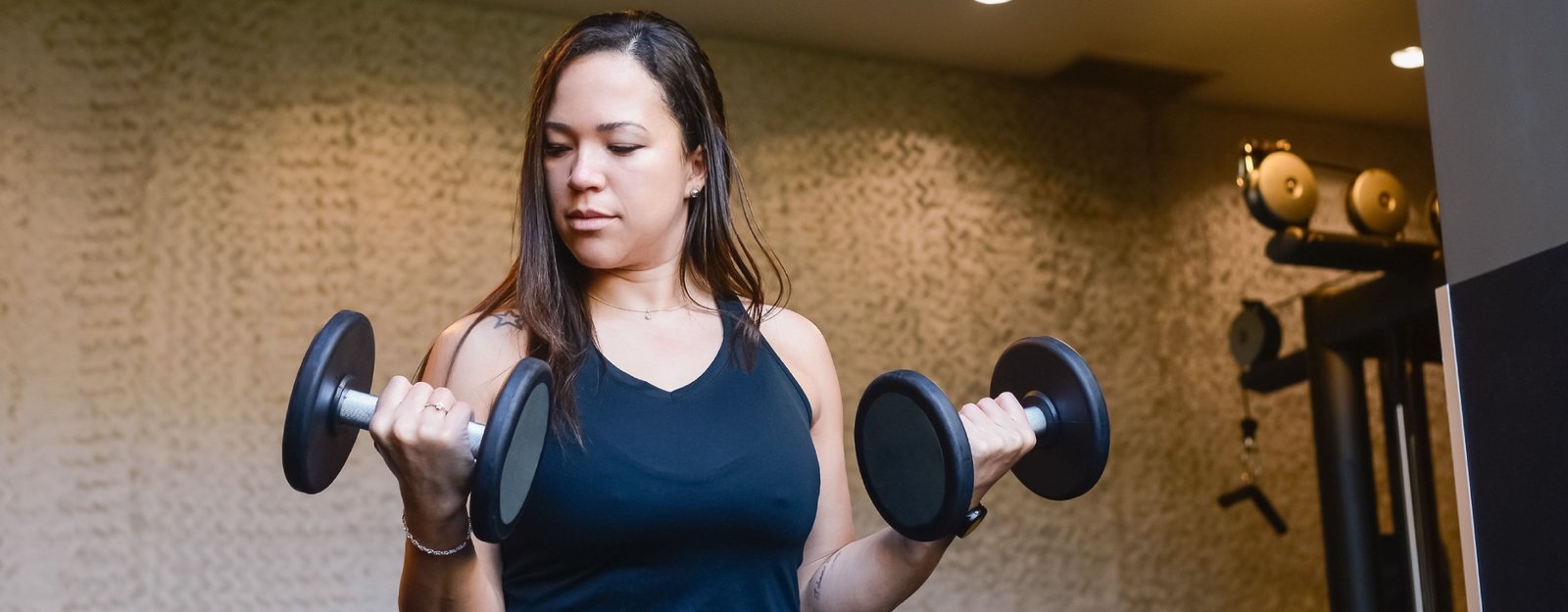
No. This is one of the most common myths about strength training for women. Women have far lower levels of the hormones that build large muscle, so lifting weights creates a firm, toned, athletic shape rather than a bulky one. Building significant size takes years of very specific training and nutrition. It won’t happen by accident.
Does Cardio Still Matter for Women?

Absolutely. Cardio is one of the best things you can do for your heart, lungs, energy levels and mood, and it also helps your body recover between strength sessions and keeps you active throughout the day. The problem isn’t cardio itself but relying on cardio alone, which is the most common mistake we see. Spending hours on the treadmill without any strength work can leave you feeling tired, stuck at the same shape, and with very little muscle to support your metabolism, so if you’ve been putting in the effort without seeing results, this imbalance is often the reason. The goal isn’t to do less cardio, it’s to pair it with strength training so each one makes the other more effective.
Which Is Better for Weight Loss: Strength Training or Cardio?
Both help, in different ways.
Cardio burns calories during the workout itself, which makes it a useful tool for creating an energy deficit.
Strength training builds muscle, and muscle uses more energy even when you’re resting. It also helps you hold on to muscle while you lose fat, so the weight you lose comes with a body that looks and feels strong, rather than just smaller.
For lasting results, the best approach combines both with good nutrition. What you eat plays a big part in fat loss, which is why our trainers also offer nutrition guidance alongside your sessions. Exercise and food work best as a team.
How Much Strength Training and Cardio Do Women Need?
The World Health Organization recommends that adults aim for 150 to 300 minutes of moderate aerobic activity a week, plus muscle-strengthening activities on two or more days a week(WHO physical activity guidelines). In practice, a simple split that works well for most women is two to three days of strength training, lasting 30 to 45 minutes each, along with two days of cardio at 20 to 40 minutes each, such as brisk walking, cycling or intervals. Add one day of active recovery, like stretching, yoga or a gentle walk, and you have a balanced week.You don’t need to spend hours exercising. Consistency matters far more than intensity or duration and a routine that fits your schedule is one you’ll actually keep.
A Simple Weekly Workout Plan You Can Do at Home
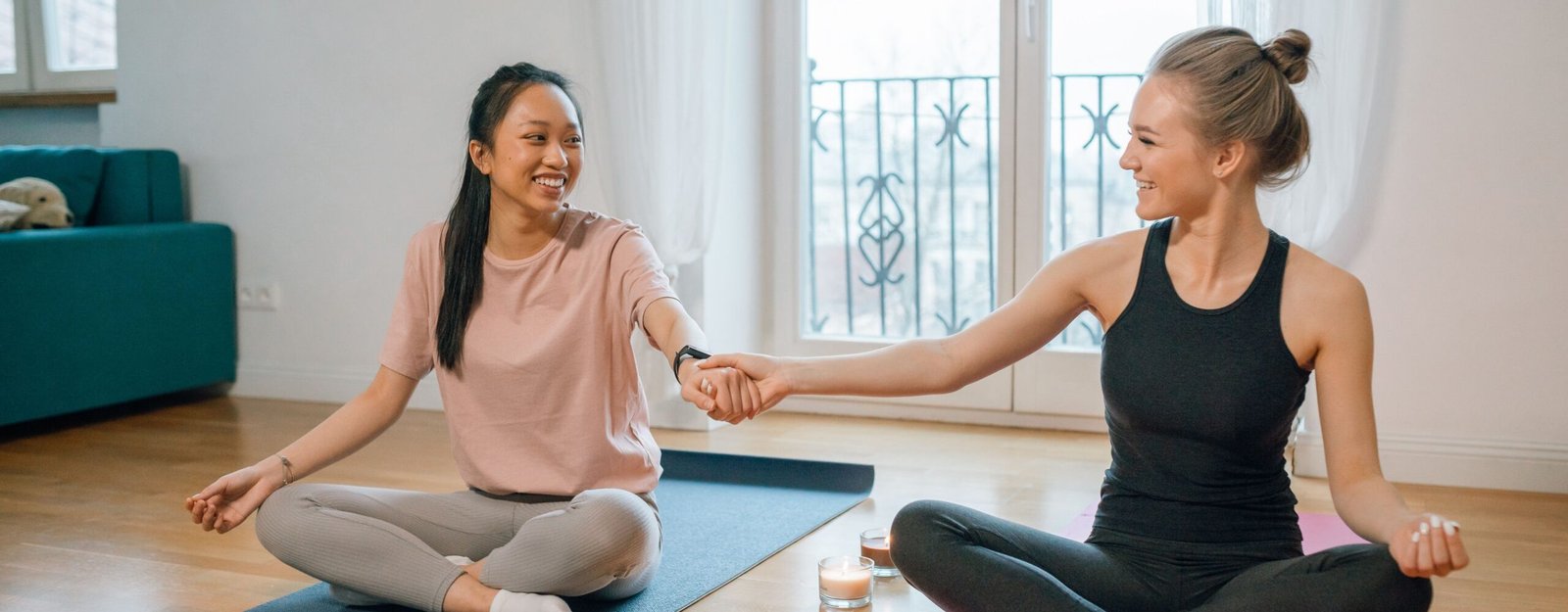
Here’s a sample week that balances strength and cardio without needing a gym membership.
Monday
Full-body strength (squats, rows, presses, planks)
Tuesday
30 minutes of brisk walking or cycling
Wednesday
Rest or stretching
Thursday
Lower-body and core strength
Friday
Interval cardio (20 minutes)
Saturday
Upper-body and full-body strength
Sunday
Rest and recover
Start with lighter weights or bodyweight movements and focus on good form before adding resistance. This plan is a starting point, not a prescription. The right routine depends on your goals, your schedule, your fitness level and any injuries, which is where one-to-one guidance makes the difference.
What Should You Focus On at Different Stages of Life?
The right balance between strength and cardio shifts as your life and body change. In your 20s and 30s, the goal is to build a strong base, so prioritise strength training and add cardio you genuinely enjoy to help you stay consistent. The muscle and habits you build now will pay off for decades. After having a baby, start gently and rebuild your core and pelvic floor strength first. Always get your doctor’s clearance before returning to exercise, then work with a trainer experienced in postnatal fitness who can progress you safely.In your 40s and 50s, strength training becomes even more valuable for protecting muscle and bones as your hormones change. Keep your cardio regular but moderate, and make recovery a priority. At 55 and beyond, focus on strength, balance and mobility to stay independent and confident. Low-impact cardio, like walking or swimming, is a great fit at this stage and is easier on the joints.
Common Mistakes Women Make When Balancing Strength and Cardio
- Doing only cardio- It feels productive, but without strength work, results often stall.
- Lifting weights that are too light- If the last few reps never feel challenging, your muscles have little reason to adapt.
- Skipping recovery- Rest days are when your body rebuilds and gets stronger.
- Ignoring nutrition- Training hard without eating enough protein and whole foods can hold back your progress.
- Following a generic plan- What works for one body or lifestyle may not suit yours.
Strength Training vs. Cardio: The Bottom Line
If you had to pick one to add to your week, most women would benefit most from adding strength training. But the real answer is both: strength for the body you want to have in ten years, and cardio for your heart and energy today.
Frequently Asked Questions
It depends on your main goal. If building strength is the priority, do your weights first while you’re fresh, then finish with cardio. If you’re doing them on separate days, the order doesn’t matter.
Two to three days a week is a good target for most women, with at least one rest day between sessions that work the same muscles.
Yes. Resistance bands, dumbbells and bodyweight exercises are all effective, especially for beginners. A trainer can also bring equipment to you.
Moderate cardio like walking is fine for most people daily. High-intensity cardio needs recovery time, so keep intense sessions to about two a week.
It can be, once your doctor has cleared you. Begin with core and pelvic floor rehabilitation and progress gradually with a postnatal-trained coach.
Not Sure Where to Start? Let a Female Trainer Build Your Plan
LeFit brings certified female trainers and all the equipment to your doorstep. Enjoy personalised one-to-one sessions for strength, cardio, postnatal fitness, injury recovery, and senior wellness—tailored to your goals and pace.
Related reading: Meet our trainers · Pricing plans